
Exploring the Reasons Behind the Suspension of British Horse Racing

Understanding the Suspension of British Horse Racing
The vibrant world of British horse racing is filled with excitement, tradition, and a deep connection to the culture of the UK. However, it is essential to consider the recent issues that led to the suspension of racing activities. This article explores the multifaceted reasons behind this suspension, its immediate impacts on the community, and what the future may hold for horse racing enthusiasts and participants. For those passionate about horse riding and equestrian care, the British horse racing not on GamStop Merseyside Mounted offers a glimpse into the world of mounted police, highlighting the role of horses in society beyond the racing circuit.

Historical Context of British Horse Racing
British horse racing dates back several centuries, with its roots embedded in the very fabric of English history. The sport has grown from informal contests among friends to well-organized events that attract millions of spectators both on-site and through broadcasts globally. The luxurious Royal Ascot, the prestigious Grand National, and the iconic Epsom Derby are just a few highlights of a calendar filled with exhilarating races.
Reasons for the Suspension
Health and Safety Concerns
In recent years, one of the most pressing issues faced by horse racing authorities has revolved around health and safety. Several incidents involving injured horses and concerns regarding their treatment have sparked an outcry from animal welfare organizations and the general public alike. In response, regulatory bodies have implemented stringent guidelines to protect the horses and ensure their well-being. Unfortunately, the enforcement of these regulations sometimes results in race cancellations or suspensions as the industry strives to adapt to best practices.
Impact of COVID-19
The outbreak of the COVID-19 pandemic dramatically affected sports worldwide, and horse racing was no exception. Lockdowns and restrictions led to cancellations of major races, not just in the UK but globally. Although the sport made efforts to resume with proper safety measures, the lingering effects of the pandemic have continued to pose challenges. This situation highlights the precarious nature of live sports, where external factors can have profound implications.
Betting and Financial Implications
Betting is an integral part of horse racing culture, and the financial stakes are incredibly high. The suspension of races has significant consequences on betting revenues, affecting not only the racing institutions but also the hundreds of thousands of fans who engage in wagering. With race meetings being postponed or cancelled, the ripple effect on the economy surrounding horse racing can lead to instability across various sectors linked to it, including sponsorships, advertising, and local businesses that rely on race-day income.
Community and Economic Impact
The impact of the suspension of racing extends beyond just the horses and the tracks. Communities that host these events often benefit economically due to the influx of visitors and tourists. Hotels, restaurants, and local vendors thrive on the racing calendar. The loss of these events means a considerable financial strain on many businesses, and local economies face challenges as they cope with reduced revenue.
Looking Ahead: The Future of British Horse Racing
Despite the challenges facing the horse racing industry, there is hope for the future. The first step is addressing the underlying issues that have triggered the most recen
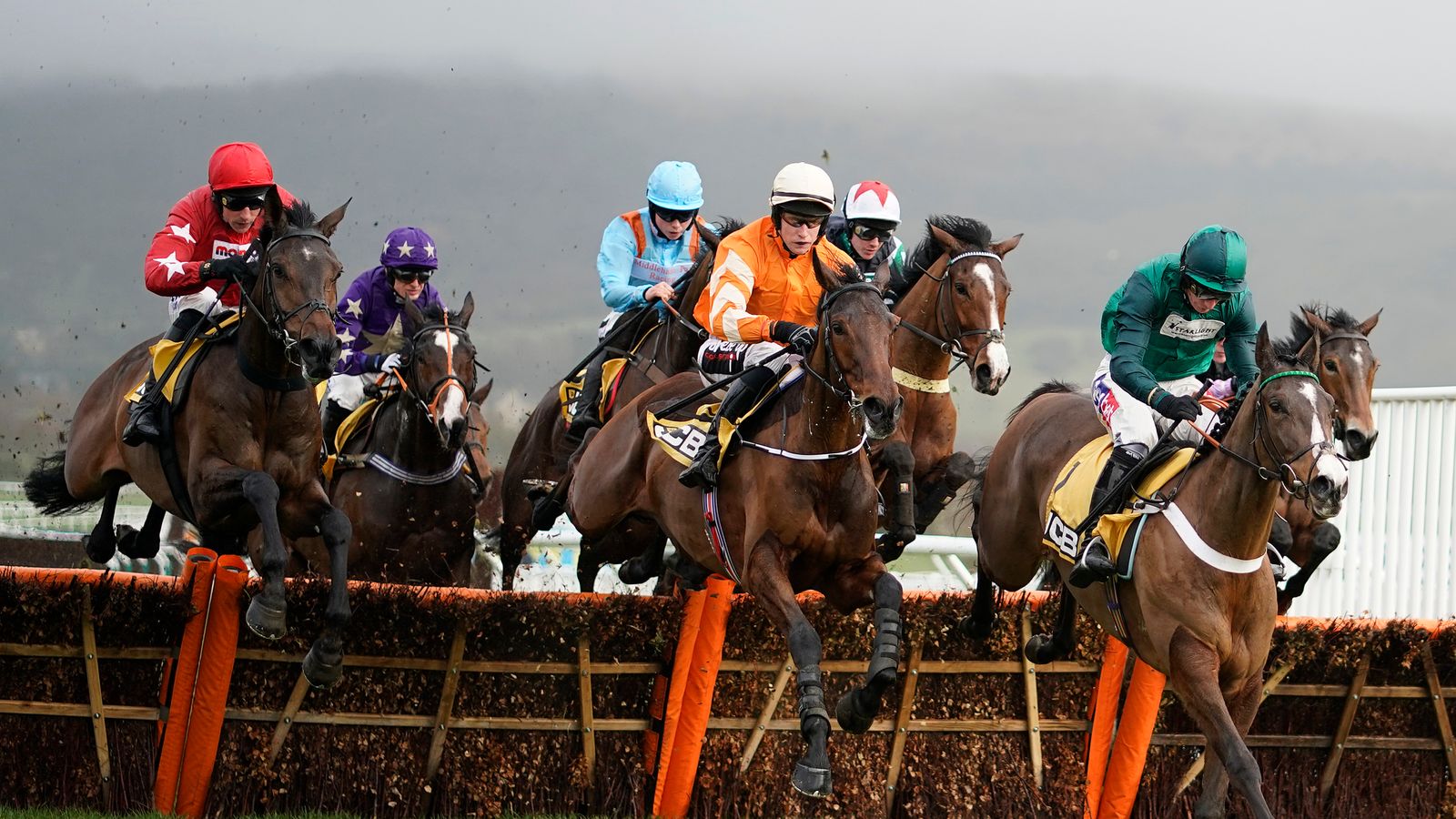
t suspension. Collaboration between racing authorities, animal welfare organizations, and governmental agencies is crucial in fostering a safer environment for both horses and riders.
Advancements in Technology
One potential solution lies in leveraging technology to enhance safety measures. Innovations in data analysis can help monitor horse performance and health more accurately, allowing for timely intervention when issues arise. Additionally, live-streaming technology can provide alternative revenue streams through virtual events, attracting a broader audience.
Engaging the Community
Another important aspect for the revival of horse racing lies in engaging the community. There is a pressing need for transparency and accessibility, where fans and newcomers can understand the operations, safety measures, and the inherent challenges of the sport. Educational campaigns promoting responsible betting practices and animal welfare can help reconnect the sport with its fanbase.
Conclusion
British horse racing has withstood the test of time, evolving through historical changes and societal imperatives. The recent suspension is a pivotal moment that forces stakeholders to reflect, adapt, and innovate. By addressing the underlying concerns and embracing community engagement while employing technology, the future of British horse racing can emerge stronger and more sustainable. Together, the passion of the fans, the commitment of the organizations, and the welfare of the horses can usher in a new era for this storied sport.